Monday, October 17, 2011

Madras


A blog written by one of the famous movie script writer in a newspaper flicked my thoughts about this South Indian town. There was also scarcity of a relevant topic to write, but when working on this topic started, I thought that I should word it down so that I may not miss the thoughts that are flowing out.
The name of this town has changed to Chennai now. It came to a level that those who call this town Madras are considered the remnants of the colonial empire who has designed this city with its beautiful architectural epochs and monuments. I heard ages ago, that the name Madras was derived from two English words “Mad Rascals”. Even though this may or may not be true, there are a lot of mad guys in this town who are passionate about movies, music, and monuments. The name Chennai is still something that makes me feel uncomfortable because all the time I was in this town; we were so used to call it Madras.
I was in Madras for almost 5 years. It was the time period from 2000- 2004. These were some of the most memorable years in my life.
This was also the time I realized the value of money the hard way. Till that time, I had the monthly allowances for schooling and domestic expenses from the parents for which I can demand, complain, and mourn about. The most precious things that I have achieved during this time period were a bunch of experiences that molded the rest of my life, and a handful of friends, whom I consider are an asset for me for the rest of my life.
This was the same town where I become the proud owner of a vehicle. It was a second hand scooter and the memories of having a ride on it for the first time through Mount Road is still a clear picture in my mind. The smile that bloomed on my face when the wind hit my face was that one of a winner or rather an achiever. There is a bunch of other people whom I need to mention when talking about my days in Madras. Swish whom we use to call Thambi who religiously watched all the western movies and dedicated his body to branded clothes, Reji whom we used to call Kullan who was a hero among the hot chicks in the hospital, Praveen who used to do all kinds of silly mischief and smiles bluntly after being caught for them, Jyothish who proclaims to be a kung fu champion even though he did not have the energy to stand on his own, Bobins who endlessly talked and aspired to be in Bangalore for the rest of his life, and Iybi who cooked us with some of the most tasty non vegetarian dishes were some of them whom I still keep in touch with on a regular basis, thanks to all the social websites. The driver by name Puli who offered his bike on seeing me walk, the father of our unit director in hospital, who blessed me on his sick bed that “you will reach the heights in your career”, the entrepreneur who was a millionaire who lost all his assets due to a divorce, and employed me offering all his love and affection were some of the nice Madrasis I remember.

The experiences I had from this town are invaluable. I have not visited Madras for more than five years now. I longed to visit the last time I went to India. Even if I am not in there for next decade, my mind still longs to be there. Walking through the streets and cherish those days when I walked through the old streets keep me going wherever I am with the dreams of being in Madras again on one of the days…………

Saturday, July 24, 2010

Our Saint Yeldho Mar Baselios


Maphriyono Mar Baselios Yeldo was born at Karakosh near Mosul in Iraq, where Marthsmooni and her 7 children suffered Martyrdom. He became a monk in Mar Bahnan monastery in Mosul. The saint came to India via Basra to Surat, after consecration as Maphrian (Catholicos / Maphriyono) by the Patriarch Mar Ignatius Abdul Messiah I, arriving at Thalassery in North Kerala, then by hill route to Kothamangalam in AD 1685 at the request of Marthoma II of Malankara Church. He reached Marthoma Cheriapalli with Mar Ivanios, guided by a Hindu gentleman whose descendants guide the procession of the festival held in his memory every year. The saint expired on October the second and is entombed in the sanctuary of MarThoman CheriaPally, Kothamangalam.
YELDHO MAR BASELIOS & HIS MISSION
Though St.Gregorios Abdul'Galeel Bava had succeeded in reorganizing the Syrian Christians and reaffirming them in the true faith of the Holy Church; it was very difficult to manage the church under the excessive pressures and influences of the Portuguese elements. Syrian Christians were slowly drifting from their ancestral precepts and ethos. So he sent a fervent appeal to his supreme head, His Holiness the Patriarch of Antioch, for the immediate assistance of a Metropolitan and also ‘Malpans’ (teachers of theology) with an aim to educate the faithful. A delegation was later deputed to the Patriarchate at Mardin (Turkey) with the same purpose. During the consecration of the ‘Holy Mooron’ (Holy Chrism) at the Kurkuma Dayro (Deir-al saffron) in 1684, Patriarch Moran Mar Ignatius Abdul Messiah I painfully discussed the matter with the Maphriyono Mar Baselios Yeldho and other prelates assembled there. ('Maphriyono' is another canonical title of the 'Catholicos of the East' that functions within the Patriarchate of Antioch).
On knowing the grave situation in Malankara, Maphriyono Mar Baselios Yeldho, who was above 90 years of age then, a native of Bakudaida (Kooded or koodeth) Karakosh, near Mosul, gladly volunteered for the service, relinquishing his administrative charge there. His self-sacrificing decision was praised by all. The Patriarch, concerned about the Maphriyono’s age and health, was worried at the decision, but finally His Holiness accepted the offer of Mar Baselios Bava and blessed him.
On returning to the Maphriyanate, at the Mar Mathai Dayro in Mosul (Iraq), the saint made preparations for the treacherous journey to India. He installed Metropolitan Mar Diascorous of Mosul who belonged to Kurd Island as Maphriyono (Catholicos) Mar Baselios Geevarghese II and started the long journey to a region, totally unknown to him. He was accompanied by his brother Jamma, the newly consecrated Episcopa Mar Ivanios Hidayatulla (son of Samma of Bakudaidand) and two Ramban's (monks) namely, Joea and Mathai of the monasteries of 'Mar Mathai' and 'Mar Behnan'. The group travelled down to south from Mosul and boarded ship at Basra in Iraq, thus commencing the first phase of the mission.
Mar Baselios Yeldho and his entourage reached Surat in Gujarat (North India) by the middle of 1685 and from there proceeded to the Malabar coast. Sometime later, they landed at Thalassery port in North Malabar. [As per the letter of MarThoma IV to the Patriarch dated 25th Elool (Sept) 1720, those who reached Malabar, were Mar Baselios Yeldho, Mar Ivanios, and 'Ramban Mathai' (there exists no further information about this Ramban)]. In order to avoid attacks from pirates along the seacoast and to escape from the Portuguese, they traversed due east to Tamil Nadu and proceeded down to southern Kerala on foot. The journey was in disguise through thick forests. After some weeks they reached a small village on the bank of a river at sunset. On the way they encountered a ferocious tiger. Mar Yeldho’s escorts were scared to death but the Saint calmly took out the 'Sleeba' (Cross) and made the sign of the cross in the direction of the animal which ran away roaring into the forests as if struck by a heavy object.
Later they reached the place which is now known as 'Pallivasal' near Munnar. There were many huts in the foothills for the travelers. Mar Yeldho had a feeling that it would be dangerous to stay in those inns since he expected heavy rains and floods that night. So Mar Yeldho advised his companions and the people remaining in the place that it would be better to sleep on the upper reaches of the surrounding hills. Some people who believed him moved higher up the hill but others dismissed the idea lightly and stayed on the inns. During the night there was a very heavy downpour and in the instantaneous flood many people and animals living on the river banks lost their lives. In the mourning the saint offered the Holy Qurbana (Eucharist), for the dead and the mercy shown on those with him, on a temporary altar made there. From that time the place assumed the name ‘PALLIVASAL’ (place of Holy church). The site where he offered the Holy Qurbana is said to be considered sacred by the tribes of the hills.
From there the Holy Father accompanied by the Episcopa Ivanios came to Kozhippilli village near Kothamangalam by afternoon. When they came to know that they had reached populated areas,Mar Yeldho decided that it was unwise for both to travel together any further. He therefore asked the Episcopa to climb a tree and hide himself while the Saint proceeded on foot for reconnaissance. When the holy father reached the banks of Kothamangalam river at Chakkalakudy he saw a Nair (Hindu) gentleman who was tending cattle there. Through symbols they communicated and the man told Mar Yeldho that there was a Church nearby.
Mar Yeldho asked him to accompany him to the church. The man expressed his inability to do so since he could not abandon the cattle. The Saintly Mar Yeldho took his walking stick and drew a big circle on the ground. Then he asked the man to take all the cattle into that circle. He waited for some more time to see how the cattle behaved and he found that they were not leaving the boundary of the circle. He realized that Mar Baselios Yeldho was a man of God. The man's sister was at that time in labor pains. He told the Mar Yeldho about the difficult situation. When the Saint asked for some water with a view to bless it, the man thought that he was asking for water to quench thirst, and he tried to climb a coconut tree nearby. The tree began to bend! The man took two tender coconuts from the tree and gave them to the Saint. The Saint blessed one of the tender coconuts and asked the man to rush home, and make his sister drink the juice. While Mar Yeldho waited at the same spot, after about one hour the man returned with the good news that his sister had given birth to a boy. Greater surprise was in store for him, since the cattle had not moved out of the circle. The man gladly accompanied the Saint to the church. While they got into the river to cross it, some children who were swimming in the river tried to throw pebbles at the Saint. Somehow instead of throwing pebbles they ended up following the Saint and his companion.
HOLY FATHER IN THE MARTHOMAN CHURCH
As the saint reached the church premises, the church bells began to toll. People living in the neighborhood rushed to the church to find out what the commotion was about. And that was on 'Kanni 11th' in the Malayalam calendar (end of September), AD 1685. The Saint entered the church and sat on the steps of the 'Madbaha'. There was a young deacon who was fluent in Syriac. When he realized that an Episcopa had stayed behind at Kozhipally, he and some members of the congregation set out for the place. They took a kerchief from the Saint for identification. When the Episcopa saw the approaching crowd he was afraid. He thought that they had killed Mar Yeldho and were now about to get at him. He therefore refused to come down from the tree. The deacon however offered him the sign of peace and spoke Syriac. He then came down from the tree and went with the people to the church.
On Kanni 13, the church used to celebrate its foundation day. On the 12th evening the Vicar sought the Saint's permission to hoist the flag. The Saint replied that the festival of the Holy Cross should be celebrated on the 14th and not on the 13th. When it was explained to the Saint that what they were celebrating was not the festival of the Holy Cross but the anniversary of the founding of the parish, the Saint permitted them to go ahead but reminded them about the importance of the festival of the Holy Cross.
On the next day, on the feast of the Holy Cross, (Kanni 14 in the Malayalam calendar), Episcopa Hidayatulla Mar Ivanios was consecrated as Metropolitan after the Holy Qurbana by the saintly Mar Baselios Yeldho. (Mor Ivanios, who was consecrated by Mor Yeldho, carried on apostolic work for eight years. He passed away in 1693 and was buried at the MarThoman Church, Mulunthuruthy). Because of the tedious journey and the old age, by then Mar Yeldho was totally exhausted. Three days after he became seriously ill. On 30th September (Kanni 17) he received the last sacraments of anointment with oil and extreme unction. All the while he was lying inside the church. Two days after (on Kanni 19, probably October 2) on Saturday in the afternoon, the saintly father left his mortal self for his heavenly home at the age of 92. As he was sinking, the congregation assembled inside the church, and was offering prayers. The Saint told them that he was about to die and when his spirit leaves his body; there would be a sign on the Cross situated on the western side of the Church. And the huge granite Cross miraculously lit up at the time of the Saint's demise. The Holy Father's mortal remains were entombed on the next day (Kanni 20) in the western side of the Madbaha of the church. The two weeks of sojourn of the Maphriyono at Kothamangalam electrified the Syrian Christians all over Malankara and the mission undertaken by the saint was fulfilled to a large extent by his faithful associate, Metropolitan Mor Hidayatulla Ivanios.
ANNUAL FEASTS OF THE HOLY FATHER ('KANNI 20 PERUNNAL')
Dhukrono of the saint is celebrated in the MarThoman Church (CheriaPalli) at Kothamangalam with spiritual grandeur every year on October 2 and 3 and is popularly known as "Kanni 20 Perunnal". Groups of pilgrims, irrespective of caste and creed come to the church every day seeking his intercession. And multitudes of devotee’s participate in the feast. Moreover, on all Saturdays, Holy Qurbana on three altars is offered in the church with special prayers beseeching the saint’s intercession. Through the years, the MarThoman Church at Kothamangalam, where the Saint is entombed has become a symbol of communal harmony. In remembrance to the instance of guiding Mar Yeldho to this church by a Nair (Hindu) Youth, his successors are still given the privilege to hold the traditional lamp of the church and lead the 'Rassa' (Church procession) to the church on the festival day of the saint.
Many Children are baptized as ‘Yeldho’ and ‘Basil’, bearing the name of our saintly holy father, Mar Baselios Yeldho. Number of children baptized in the church where Mar Yeldho’s mortal remains are interred, on a single day, had even exceeded 50. Mass baptisms are very common in this Church, particularly on Saturdays, the day of demise of the Holy Father. The name 'Yeldho' (meaning, Birth of Christ), has became a very common among Syrian Christians, more particularly in Malankara.

Sunday, April 25, 2010


The thought of writing something about tigers to show my solidarity on the preservation of this great gift of nature has been haunting me for some time, and the deliberation of doing it now than later is the origin of this blog. In the early 18th century, tigers were spread in the vast stretch of land from Turkey to China, and now there are only less than 5000 tigers that are existing in the whole world. Among these the majority of them are found in the south west Asian countries including India, Indonesia, Sumatra and Bali. Tigers are the biggest among the species of cats and they are being sought after for various purposes. The whole bodies of the tiger, from the skin to the claws are in great demand in the International market. The bones of the tigers are used to manufacture many different kinds of medicines in China. The teeth of tiger are a very expensive jewelry in India.
The beauty of this creature and the necessity of maintaining them in the natural ecosystem should be understood by the inhabitants of earth. In the early days, tigers were hunted as a matter of prestige among hunters. Later when there was rapid deforestation and clearing of forest lands for agriculture and inhabitation, tigers were an enemy to human beings which was a reason to destroy them. In the present world, they are destroyed mainly for the reason of monetary benefits. Tigers have their peculiar behavioral patterns and the survival if a baby tiger is too difficult, which made their numbers very low in the present day.


As the earth day passes by, and the numbers of these beautiful big cats are dwindling on a tremendous phase, it is not only the government who has to take responsibility of preserving these animals. So let us all hold hands together to preserve these wonderful creatures in this world, whereby the future generations of ours can also see the beauty of this wonderful animal.

Thursday, April 15, 2010

Vishu is here.


The pain of a poet to bring out his thought process into words and sentences is too excruciating according to what I have read from great writers. This pain has even been compared to a mother's pain while giving birth to a baby. The mother's hurting is taken off now a days with the rapid advancements of medicine and anesthesia, and so the pain which is mentioned here may not be experienced by many of them, who are in the present era of nanotechnology and cloning.
In my case, it was not such an excruciating pain, but a cloud or uncertainty or dismay that was making my decision making process ambiguous. There were various subjects that rushed through my mind when the idea of filling this month's page stirred, and skimming through them, I ended up choosing Vishu as my topic of this month because this festival has cherished a handful of sweet recollections for me.
When I hear about Vishu, I go back to my childhood days in Thalassery where Vishu is celebrated in the same passion as Onam, which is the national festival of Kerala. Our neighbors, who were all followers of Hinduism except one family who was Muslim, and ours, both of whom celebrated Vishu with full spirits and enthusiasm as Hindus. Even if my family and Mammooka's family were from different religions, we were all part of this celebration because there was no religious rifts between any of us, something part of the pillars on which the whole country is built- Secularism. The first signs of Vishu during our school days were the shops which open in this season exclusively to sell crackers and colorful fireworks which illuminates the sky on the previous night of Vishu and the dawn of Vishu when everybody wakes up for Vishukkani. Every year there may be some new variants of these crackers and fireworks, it may be a new color or it may be one which makes some different noise. They were all big topics of discussion in our class, and so we use to keep updated on the topic, so that we won't be left outdated during those serious discussions.
On the night before Vishu, we use to assemble on the terrace of our house which gives us a spectacular view of the fire bands from all our neighboring houses. This continues till midnight, when everybody goes to bed diligently to wake in the dawn to see the Vishukkani. The Vishukkani is being believed as the first sight for your eye in the New Year on which the whole year ahead relies. Vishu is considered as the astrological New Year day of Kerala even though the first day of the Malayalam calendar is in Chingam. Most of us who does not have this tradition will also be waking up by hearing the thunderous noise of those new crackers which will be around 0400. The noise from the crackers goes on till 0530, when everybody goes to sleep again.
The morning will be awakened by kids and teenagers from our neighborhood knocking on the doors for Vishukaineetam which will be a contribution of money by elders to the youngsters in the family. Even though we don't have any true families around Thalassery, our neighbors were considered as our extended family, and so there won't be any shortage for kids. After the kaineettam kids stop is flocking in, we may have invitations from the neighbors to have lunch in their house. If we cannot make it up there for the lunch, the special payasam will reach our home, which will be in different varieties from each house. I will also be waiting to see all the neighbors who will be dressed in their new costumes which are called Vishukkodi. The evenings will be a bit dull, but this will be the time to reminisce about the previous two days and then start to long for the next Vishu to come.
After being out of Kerala for the past 15 years, I have not got a chance to experience the scent of Vishu. But the thought about those good old days fills my mind on these days. I don't have any idea when I will be able to experience the real taste of Vishu again, and even if I get a chance, I am not sure whether it will be of the same flavor because a lot of people with good heart who resided nearby have already left to heavenly abode. Can we have a Vishu over there in heaven sometime, where we all can meet again???????????

Wednesday, March 3, 2010

Natural disasters…. Am I exempt??????


The news of the massive destruction in Chile happened not too long before the world has witnessed the shock of the massive destruction from the earthquakes in Haiti. The death toll in Haiti has risen up to 3, 00,000 when the rates in Chile has topped to 400 now, and the numbers are increasing on a steady basis. There are many small natural disasters occurring at the same time as the landslides in Uganda where more than 100 people have lost their life. There may be others where the numbers are less than a 100 or less than 50 which go unnoticed. We are getting on to a time where the main pages of the news reels are filled with disasters that are caused due to natural reasons or the human involvement that has created an imbalance in the nature.


When I talk to some of the elders now a days, they tell me that they don’t listen to the news or read the newspapers. The reason which they told is genuine. The newspapers today carry news of all the cheating that one does to the other, between countries, between families, between partners, and even between brothers and sisters. The other main news are the destruction of mankind due to suicide, dangerous accidents, or natural disasters. There is nothing in the news that brings in happiness. Once upon a time, the stock market news used to bring happiness in some families that has invested their savings wisely, but they are also in the same route as the other news for more than a year now in this country.
The true fact is that there are no restrictions for a catastrophe to happen in this world. These disasters are not limited to any country or region based on race, color, creed, religion or political affiliation. They do not have any time intervals. We are all succumbed to be the victims of these disasters today or tomorrow. Each of us should accept the fact that there is nobody exempt from these tragic episodes on this earth.


The people who had lost their existence in these incidents also had dreams in their life, huge list of things to be completed soon, and limited time to help their fellows, or to listen to other’s sorrows, because of the hastiness in their life. But they all have been sucked into the massive graves of this earth, and they do not want to be worried or tensed by thinking of their incomplete assignments or unaccomplished dreams anymore now.
These are the timings to show our solidarity to our brothers and sisters in unknown places of the world. Let us all hold hands together to help those victims who are suffering, and show our universal fraternity of brotherhood, without thinking of the inequalities that has exited till the yesterday.

Wednesday, February 10, 2010

Your Composition Never Dies.


This blog is in regard to one of the most renowned music directors in South Indian film industry, specifically Malayalam film industry by name Girish Puthenchery. Each decade has seen one or two prominent song composers in Kerala and during the last decade, it was Mr. Puthenchery. His songs were the ones which I adored in the past 10-15 years, and these songs have lived through the past decade, and they are precious for me through my whole life. I am not a very knowledgeable person about songs, or their composition or their music, but I always preferred to hear Malayalam songs when compared to all the other languages. I have been out of Kerala for more than 12 years, but compared to all other music, the songs from Tamil and Malayalam are the ones which soothe me in addition to the ghazals from Jagjit Singh.
Girish Puthenchery was a very talented composer. His songs were well accepted by the common people, because of the layman language he used in his songs. They had a scent of love and affection, despair, satire and revenge. Two of the songs which will always stick in my thoughts are “Surya Kireedam” from the movie Devasuram and “Nilavinte Neelabhasma Kuriyanjiavale” from Agnidevan. They are composed in simple language and the music is not complicated, but the human instincts these songs reflected, made Keralites clutch these songs in their heart. The songs from Meesa Madhavan were also examples for his brilliant composition, and the one which I love most among them is “Karimani Kuruviye Kandeela”.
There are many other songs that originated from him in the last decade which I love to hear again and again, but I cannot list them all because he has composed more than 2500 songs in his life time. There was a time where the quality of his composition was deteriorating, and it ignited reactions from music lovers of all age groups, which helped him to be cautious with the quality of his songs.
There may be many new composers who will be taking over his assignments, but to create the simplicity and the warmth which Puthenchery has been able to nurture through his compositions may not be sensed in those new songs. Puthenchery’s familiarity on Sanskrit language and his in-depth knowledge about Indian philosophy and world classics, which he acquired through his wide reading, helped him to reflect human instinct in his works. The state government honored him with the award for the best music composer seven times in his life time, which is a great achievement within forty eight years of his life span. The real fruits of his talents may be yet to come out, but unfortunately we don’t have the chance to hear his composition anymore. Malayalam music will feel the vacuum of the brilliant compositions from Puthencherry, which we perceived when Vayalar and Devarajan departed us.
His songs will last till the world ends. May his soul Rest In Peace……………….

Saturday, February 6, 2010

Bombay for All.............


The stimulation for writing this blog was the recent debate about Bombay only for people from Maharashtra. As an Indian citizen who has lived for a short time in Bombay, I think I have a right to express my view on this issue. This was the town where my dreams started to grew wings with muscles that were able to help me to fly even though the dreams to fly and the wings were there for long time. I could get a chance to fly to England and from where I reached Texas, where I reside now.
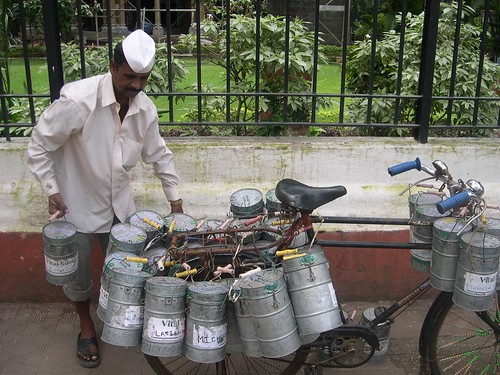
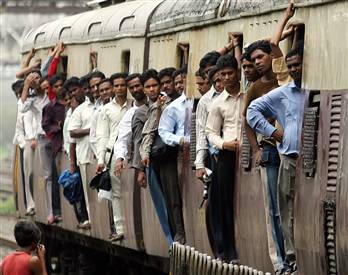
I lived in a town called Vikhroli which is near to Thane and Lower Parel which is between Church Gate and Dadar. I enjoyed my life in Bombay because it was a great lesson for a youngster. The experience of getting into the Metro Rail was one of the most exciting during those days. The old dock road as well as the buildings in V.T gave Bombay a Victorian look, and the new architectural developments gave this town an international look. I had a chance to go and see places from Hiranandani Towers to Bandstand Promenade in Bandra, and the high profile shopping centers in Colaba. I did also visit Dhobi ghat and the hospital for communicable diseases in Sri lakshmi as well as the streets of Kamathipura, where unfortunate and innocent girls from all parts of the country have been trapped by the illicit vampires of the country who can trade on human bodies. There are eateries specialized in different tastes prepared by people from different states of the country. People who belong to different religions stay side by side, and share common arenas and a sense of Indian, than the sense of caste, creed or religion holds them together. This was the place where I got a chance to experience the national tastes of India from the north, south as well as central. The eunuchs, also known as Hijadas were also a rare breed of human species which I could come across in this city.

Even if the name of the town has been changed to Mumbai, I still like to call it Bombay because that was the name which I use from my childhood days. Every evening in Bombay, the streets will be colorful with some kind of festivals, and the people of Maharashtra are famous for their festivals. Because of the multicultural elements of the town, there will be some kind of processions or celebrations every day and whenever I get a chance, I use to watch it and partake in it. This was also the town where I experienced the taste of Thaadi Maadi, a local drink made from palm trees which uplifts your spirits as well as quenches your thirst.
I have not seen any difference between Marathis, Tamilians or Biharis in this town. I use to get my shoe polished from a Bihari, the milk for the morning tea was brought by a Maratha, the auto driver of ours was from Bengal, the priest at the local Catholic church was from Manipur, the hotel where I ate my lunch, they were from Assam, the evening bada pav were made from people from Karnataka, and the grocery store was owned by a Guajarati. So it is not Marathas that run Bombay. I use to enjoy the Kerala food at the hotels in Mahim, and the non vegetarian dishes made by the Muslim vendors in Bandra and Dadar.
We, the citizens of this country should always uphold our principles to maintain harmony than injecting religious or cultural hatred in this town. We have experienced the after effects of religious hatred in Bombay not too long ago. The after effects of such violence will create deep incisions in the minds of people, which will disturb the normal chemistry of the citizens. It will create a huge blow on the national economy, as this city is considered as the financial hotspot of the country, and the wounds will stay unhealed for generations.
So let us all hold hands together and let the proud citizens of Bombay live in peace, harmony and universal brotherhood, where people from all parts of the world can come, enjoy, and achieve their dreams.

Friday, January 29, 2010

This is not only the story of Maxcity......


This was a blog that was read by me last week and thought that there is a very strong message to convey, and so am citing it for the readers to skim through when they get a chance,
Thank you


The BraveHearts of MaxCity
Pritish Nandy,
25 January 2010, 03:23 PM IST

The toughest thing to learn is The Art of Losing. There are no self help books on the subject. No educational institutions teach it. Not many parents are keen to pass on this knowledge to their kids today. Nor are too many kids eager to learn it because they are born with the DNA which tells them losing is a humiliating experience, nothing is gained from it. So when people lose (and, as we all know, many more people lose every day than win) they have no idea how to cope with it. I know because, like most people in this world, I am fortunate to have lost more often than won. And I am lucky I have lived to tell the tale.

Many don’t. Mumbai makes it difficult to survive failure for the city’s programmed entirely around The Art of Winning. The moment you lose, life is over; or so you think. Yet the truth is actually otherwise. MaxCity is home to the world’s largest population of losers. That’s what makes it so special. For every winner I know out here, there are thousands of losers lurking in the shadows. They believe that only success defines them, defeat is a terrible shame. So they spend the best years of their life hiding in the city's dark, desperate bylanes hoping to emerge one day as winners. Most of them never do. And, as we have seen in recent weeks, some self destruct.

When that self destruct is just plain suicide, we commiserate, move on. But when that suicide threatens the rest of us, as when a suicide bomber blows himself up and kills many others, that’s when we start worrying. Yet we don't do the most obvious thing, which is teach young people (as we were once taught) The Art of Losing. Yes, it may surprise you but we were taught how to be good losers. Teachers and parents in our time were wise enough to know that losing is far more commonplace than winning and taught us how to cope with it. It was drummed into us that it’s far more important to be a good loser than a good winner. Any ass can come first in class or win a match but only a good loser can rise above his failure, try again. Today no one teaches The Art of Losing and therefore everyone’s a bad loser. What’s worse, everyone learns The Art of Winning and yet most people are awful winners as well.

You lose your girl friend, you paste dirty pictures of her on Facebook. You lose a match and the first thing you do is abuse the umpire. You fail in school, you jump off the Vashi bridge. Your business fails, as most real businesses are prone to, you lie down on a railway track. Your marriage is in trouble, you hit the bottle. Retribution, abuse, suicide, these are but some of the stupid ways in which we try to deal with failure. We have lost the ability to master it.

Yet MaxCity is the world’s best teacher. Talk to the tea boy in Mehboob Studio. He’s no longer a boy. He’s 57 years old but is still hanging around waiting for that singing break he had come to Mumbai for 40 years ago. Talk to the models in tiny dorms in Andheri, sharing their beds in 8 hour shifts, looking for work. They are brimming with hopes and dreams even when their lives are full of failure and disappointment. But they soldier on bravely, like the bar girls from Bengal who are still waiting for their clients to get them the film roles they had promised years ago. Their jobs are outlawed. The police harass them. Landlords throw them out when they hear of what they do, neighbours call them filthy names. But they don’t give up. Their dreams, ambitions, hopes keep them going, fearlessly.

They are true BraveHearts. They lose every day and yet return to battle next morning. The auto driver from Saharanpur. The zari worker from Birbhum. The daily wage construction labourer from Salem who builds skyscrapers without wearing a harness. The farmer from Vidharba desperately seeking a job, any job. The college student from Meerut. The banker, the stock broker, the white collar executive, the reality show contestant, the writer, the painter, the dancer: Everyone is desperate to make good. Very few do but their success stories fire the imagination of many others who come in, buying into The Great Mumbai Dream, and are never able to step off the treadmill of hope.

There’s courage, grit, dignity in the way they go about their life, trying to bravely make it work. They refuse to shake hands with failure. They do not know what defeat is. They hang in there, day after day, clinging to faith, ambition, self esteem. They pray at Siddhivinayak, Haji Ali, Mount Mary too. MaxCity has taken away everything from them but it can't take away their dignity. The dignity of the loser who refuses to believe he has lost.

Friday, November 6, 2009

Kerala Piravi Dinam..........


There is no point in writing about this topic in English, but as this is the most read language all over the world and most of the Malayalees around the world can be reached by this language, please excuse me for using English to discuss about this topic.

It has been 53 years since the formation of Kerala state. The state has grown to be have a lot of laureates among the other states in these years. We were the first state to have a government lead by Communist party in 1957. Kerala was the first state in the country to have a 100% literacy. A large number of government projects that were implemented through out the country in the later years found their beginning in this small state on the southern tip of the country.

The state has been the home of many revolutionaries who has played a significant role in the building of the constitution and upholding the name of the country around the world. The literary works and the art forms of this state has attracted scholars from different continent surrounding the world. The people of this state were proud to speak and learn their language and the literary works produced in this language are still considered as world class classics around the world.

With globalization and rapid economic growth that is going on globally, their impact has also started shown reflections in this small state. The values, traditions and culture that has been followed by the malayalees are showing transformation or rather to be called mutation in genetic terms. It is not very hard to find a malayalee in Kerala who cannot read Malayalam. I can see that it is not too far away in this state to find people who cannot speak malayalam. The after effects of this is, one of the traditional language that has roots to the prehistoric times are slowly fading from this earth. It may not be a wonder that in the next 500 years, this language may not be existing. The same tragedy happened to Sanskrit or pali can also happen to this langage also and there will may no be anybody to worry about this.

Can each one of the proud citizens of India who live in Kerala think of upholding the value of their language and passing it on to the younger generation. If each one of us take an effort to teach their children the value of this language and encourage them to learn malayalam, this language will exist through the coming generations which will create them awareness regarding their rich heritage and tradition

Saturday, October 31, 2009

What is the reason for these boat accidents?


In this year, Kerala has seen the worst boat accidents. Even though boats are not used a mode of transport as it was been used before, the role of water transport still plays a major role as one of the inland transport solutions for the population of the state. Vessels of different sizes and shapes have evolved as an important ingredient in the tourist industry and house boats have become famous than ever before in the past decade.
The standards that have to be followed by the boat manufacturers and the regulations that need to be followed by the boat owners have not been carried out in the appropriate way and that is the reason for the cause of these multiple accidents that ended up in massive death toll in the past few months.
These accidents need to be eradicated completely. The reasons for the cause of these tragedies should be investigated in a timely manner and the individuals who have been involved in causing these mishappenings should be punished effectively. Laws have to be modified and made so strict that the people may not even take a chance to risk the life of anybody.
It was very sad to see the people who have lost her life in Thekkady. The tragedy in Malappuram that followed was also shocking.
Let us all work together to prevent such tragedies in the days to come...........
a href="http://www.indiainphotos.com/oneadmin/photogallery/upload/0/1/8/picture2.jpg">

Thursday, October 22, 2009

Rivers of Kerala.............


Kerala, which is otherwise known in the tourism industry as "Gods own Country" is blessed with rivers and backwaters even though some of them are going to disappear within this century. The state is also blessed with a long stretch of beaches extending through the west coast which is washed by the blue waters of Arabian sea. The proximity of this state to the sea has made this part of the country popular among the other continents centuries earlier and paved the way for St:Thomas the disciple of Christ to land here and Vasco da gama to land at the beach of Kappad in 1498. The rivers of Kerala were the prime routes for travel and business during the last century which made the towns of Alappuzha and Changanacherry, the elite business centres during the 1900's. The situation is different now. Rivers and backwaters of kerala have become the biggest tourist attractions of Kerala. It will be very rare for a tourist who come to see Kerala to miss a night in one of the house boats breezing through the nature blessed backwaters of Alleppy or Kottayam. I have always enjoyed watching the river, having a dip in a river than having a shower, and sitting watching my bait being eaten by the fish without getting them on my hook! Those are some of the good memoirs I still consider precious when thinking of my childhood days.
The situation is different now. Massive sand mining, water pollution and encroaching has reduced the size of the rivers and made them dangerous. It is very sad to see the river getting polluted because there are people who use the river as their prime resource of water and the people who pollute them are creating misery in their life.The water pollution has also affected the normal ecosystem that existed in many of the rivers whereby many common species of fishes are becoming extinct in the backwaters.
Can we do something to prevent this. if so, where do we need to start. As usual, it is easy to blame on others and be ourselves the saviors with doing nothing. my suggestion is each one of us has the responsibility to take care of our natural resources so that they can be enjoyed by the future generation. Our forefathers has preserved many for us to enjoy, can we do the same for the coming generations?
If each of take take te responsibility in preserving the rivers with the government, take appropriate steps for proper waste disposal, we can maintain the beauty and cleanliness of the rivers so that they can be great assets for the generations to come.

Sunday, August 30, 2009

Onam again...........................


Onam days are one of the most common times during the year that gives me nostalgic feelings and home sickness. Even though I have spent enough days at home during the Onam, still I long towards being home and enjoying the home made dishes during these days.
Onam is becoming more popular with the Onam celebrations being organized by all the native organizations that are all over the world. Wherever there are Malayalees, the serene memories of Onam paves the stimulation for them to be together to compensate for the missing friends and family.
I appreciate the television channels for incorporating the Onam rituals during these days which helps to cherish those memories by watching the programs. It is sad to say that these festivals are giving a huge spur for marketing multinational products with attractive offers than creating awareness among the younger generation to revitalize the brotherhood and secularity which were hallmarks of this society during the olden days. This demeanor the whole meaning of this harvest festival where people are considered equal and same and everybody lived in happiness. The situation existing today, sky rocketing food prices, bogus relationships, rivalry and hatred in the name of race, religion, and status which exists in the society. Can we curtail these unhealthy practices? This happens only if each of us takes the initiative and works towards upholding the old traditions and values. Rather than making a festival to celebrate, let us make it an occasion to forget all our misunderstandings and inequalities and live in harmony and happiness. I wish all my blogger readers "Happy Onam"

Monday, July 13, 2009

Monsoon musings


Rains are back in Kerala.
I don't really understand why, at this time I am more passionate to write more about rains than anything else.
I was just immersed in thoughts about what to write and the two main concepts to write about were about my beloved departed cousins and monsoon and nothing else!
I have already written about monsoon and the activities which I was obsessive about during this time of the year and it is nothing but sleeping by hearing the sound of rain water trickling through the trees.
My mother's family house is near a reasonably big river called Manimala and she always use to tell us about the rains and floods there and how they enjoyed their childhood during monsoon. They can only travel from their house to the main road during that time on small boats which they call Kothumbu Vallam. They had a small boat which they used for the flooding season and it used to sit idle during the rest of the year off water. She use to show us something called Koodu which is a trap used to capture freshwater fish. They use it more often in monsoon season as the chances to capture huge fishes are more during this time
In Muttom, where my father's family house is, we had the opportunity to be there for two years during our childhood days and monsoon have left me with some memories over there too. We had a big pond in the property and during monsoon time, the pond gets full to the brink with water. The main fun associated with this was that the chorus of frogs starts their musical ensemble in the night and that creates a great symphony! My mother still hates this frog cry and she mentioned her irritation to this sound during our chat some weeks ago. We had a family who use to rear ducks and for the forthcoming months till September or October, we will have ducks in the pond enjoying their fresh baits. I also have remote memories of turtles being in this pond and I have seen them few times. It is sad to say that that pond was filled totally and that area has become the front yard for our new family home in Muttom. But still I think that it would have been more interesting to preserve that pond and have all these biological friends of ours to share their responsibilities in that pond during the monsoon days. As this place is a low lying area, the proximity of flooding was more and during monsoon season, wherever we dig, water use to slowly fill the pits and this was a fun to watch during our school days.
Please don't think that I am going to stop writing about monsoon and rains. This instinct about rains may start disturbing me again during next year and you may find something on rain for sure. Even if I am enjoying everything that I can in this century, these are some of the things which I miss and let me make it clear that nothing can replace those memoirs……

Friday, April 24, 2009

Our comrades in Sri Lanka,we are with you.


My heartfelt sorrow which is not tolerating keeping quiet amidst all the manmade disasters is the reason for this discussion.
I am a person who has personally enjoyed the hospitality and respect of the scores of Tamilians who have been relocated to various parts of Tamil Nadu from Sri Lanka during the different periods of racial tensions and violence.
During my career as a registered nurse in Madras a metropolitan city in South India, I had the opportunity to be in a place called Anumanthai which is on the border of Tamil Nadu and Pondicherry states on the East Coast Road which stretches between Madras and Pondicherry through the coastal line. We were served food by a refugee family who runs a small hotel or rather a makeshift canteen near this place. The first thing I liked with them is the language. They have a unique colloquial speech and there are many common words from Malayalam which is used often. The second feature is their reverence and hospitality. We may be late at times for food or request something which might not be available with them at that time, but the proprietor of the hotel and his wife would take special initiative to make sure that we will have the provisions during the next meal time. The taste of the food also requires special mention.
Another significant thing that increased my affection towards the Sri Lankan Tamilians was after watching “Kannathil Muthammittal”, a very touching movie by Mani Rathinam, a veteran Tamil movie director based on the story of a Tamil refuge from Sri Lanka.
The last thing which influenced me was my interactions with Sri Lankan Tamilians who have inhabited a considerable part of Eastham, a town on the east of London. This was my regular visiting place on my trips to London which used to be regular every month during my last year of stay in UK. Before leaving London, I make it a point that I will have a good vegetarian meal from one of the restaurants in Eastham where most of them were run by Sri Lankans.
I cannot stand the brutal genocide of Srilankan Tamilians that is happening by different other names right now. Let us all hold hands together to stop this inhuman violence and bring peace and harmony in this part of the world.

Sunday, April 19, 2009

Election Frenzy......


The biggest democratic country in the world is going through the process of reelecting their leaders. One of the small states where I am from has already gone through the same and is impatiently waiting for the election results now. Much of the campaigning, canvassing and brain washing is over now and people are eagerly waiting for the newly elects.
What does India need or rather what does Indians need from their leaders? India has a history of creating world leaders like Mahatma Gandhi. Why don't we have leaders like Mahatma Gandhi in this century?
Emerging as the global cyber power and man power we are in dire need for leaders who gives more insight into education, technology, research and agriculture. The economy of a country is based on these factors. Without the advancement in these fields, economic stability and modernization cannot be achieved. Let us hope that our people select the right leaders to steer our country in the right path.

Thursday, February 26, 2009

Economic meltdown


The whole world is under the threat of a manmade disaster, the recession which is worst affecting the growing economies and the well developed countries identical. There is no point in blaming each other in this circumstance. I think each of us has a responsibility for this and careful analysis should be carried out so that this may not happen again. A progress of a country gets decelerated to a considerable level due to this reason.
When we have enough resources, I think the best way is to save some for the future when there is going to be a crisis. When you have a considerable reserve, there is no chance for you to fall into a crisis where the situation gets worsened.
So as proud citizens of the respective country, let us all think wise, act smart and alleviate crisis that can become obstacles in our long run.
God bless you.

Sunday, January 25, 2009

Barackera..............


So United States of America has its 44th President and that has become history.
The first African-American President.
The son of an immigrant has become the President the first time.
A President who is very health conscious and works out 6 days a week.
A man of charisma
A person who embraces change.
Welcome to you.President Barack.H.Obama.
I was fortunate to be a resident of this country on this auspicious occasion.
Obama presidency is a motivation of young immigrants like me
"Our journey has never been one of shortcuts or settling for less. It has not been the path for the fainthearted — for those who prefer leisure over work, or seek only the pleasures of riches and fame."
These words reminded me of the old saying "Hard work means prosperity."
"Our challenges may be new," said Obama. "The instruments with which we meet them may be new. But those values upon which our success depends — hard work and honesty, courage and fair play, tolerance and curiosity, loyalty and patriotism — these things are old. These things are true."
I always believe that there is no short cuts or crooked ways to success without the values he mentioned in his first presidential speech.I respect and honor these words.
"With hope and virtue, let us brave once more the icy currents, and endure what storms may come," the President said.
These words are going to be in the history of this century.
I wish him all success to deliver the best of what he can do for the peace and prosperity of United States of America and the whole world.
Now it is the time for him to perform. Let us see how he does his job.All the Best President.

Friday, January 9, 2009

We need peace and harmony.


I was going through the horrifying pictures of Palestinian population who are having a terrible time with the Israeli attacks on the wake of this year.Eventhough this is not a pleasant topic to write as the fist blog in this year,I canna just close my eyes to the brutal genocide going over there.It is estimated that more than 100 children has lost their life during these attacks.The numbers of adult casualties are innumerable.
What has happened to the International community?I heard today that the UN is also planning to withdraw from the relief operations in the area.Who is going to help these ailing people and where is the assistance going to arrive for the hundreds of hospitalized ailing brothers and sisters.
When viewing from outside as a onlooker,I think the international organizations are giving a silent consent for the inhuman atrocities of Israel in this war torn part of the world.Is this right?I cannot substantiate this stand at any cost because people who are loosing lives are innocent children and people.The extremist targets that are aimed by the Israel military forces are still in large conducting massive destructions.The loss of 100 children from an area means a whole generation is been wiped out.What have they done to undergo this fate?Is it going to bring any difference to the militants in Gaza?
Children are the gifts of God.They are innocent.They are the proud citizens of tomorrow.The adults of today are supposed to be the role models for these budding flowers.These people who does these massacres cannot create even a single baby.No man in the world has the authority to execute anybody unlawfully .Let us voice together to eliminate the unholy and barbaric thoughts of the evil people on both sides who are the architects of this genocide and give the rest of the children of Palestine a brighter and peaceful world to live in

Monday, December 29, 2008

Elephants of India


Elephants has always been a creature of curiosity from my childhood days.The way of taming a wild elephant into a domestic elephant and rearing it is always a matter of great speculation.
I would rather like to see an elephant without any decorations than with the traditional furnishings.The natural beauty on the animal is itself phenomenal than any other thing.
Let us watch some of them

Tuesday, December 9, 2008

I canna resist..............


Whenever thoughts of home comes to my mind,the backwaters of Kerala always had a predominant position.
Here are some wonderful pictures from My home.................